Here you can read his most relevant conclusion:
The European Solidarity Corps creates opportunities for young people to volunteer or work in projects in their own country or abroad that benefit communities and people around Europe.
After completing a simple registration process (https://europa.eu/youth/solidarity_en), participants could be selected and join a wide range of projects. These projects will be run by organisations which have been checked and authorised to run European Solidarity Corps projects.
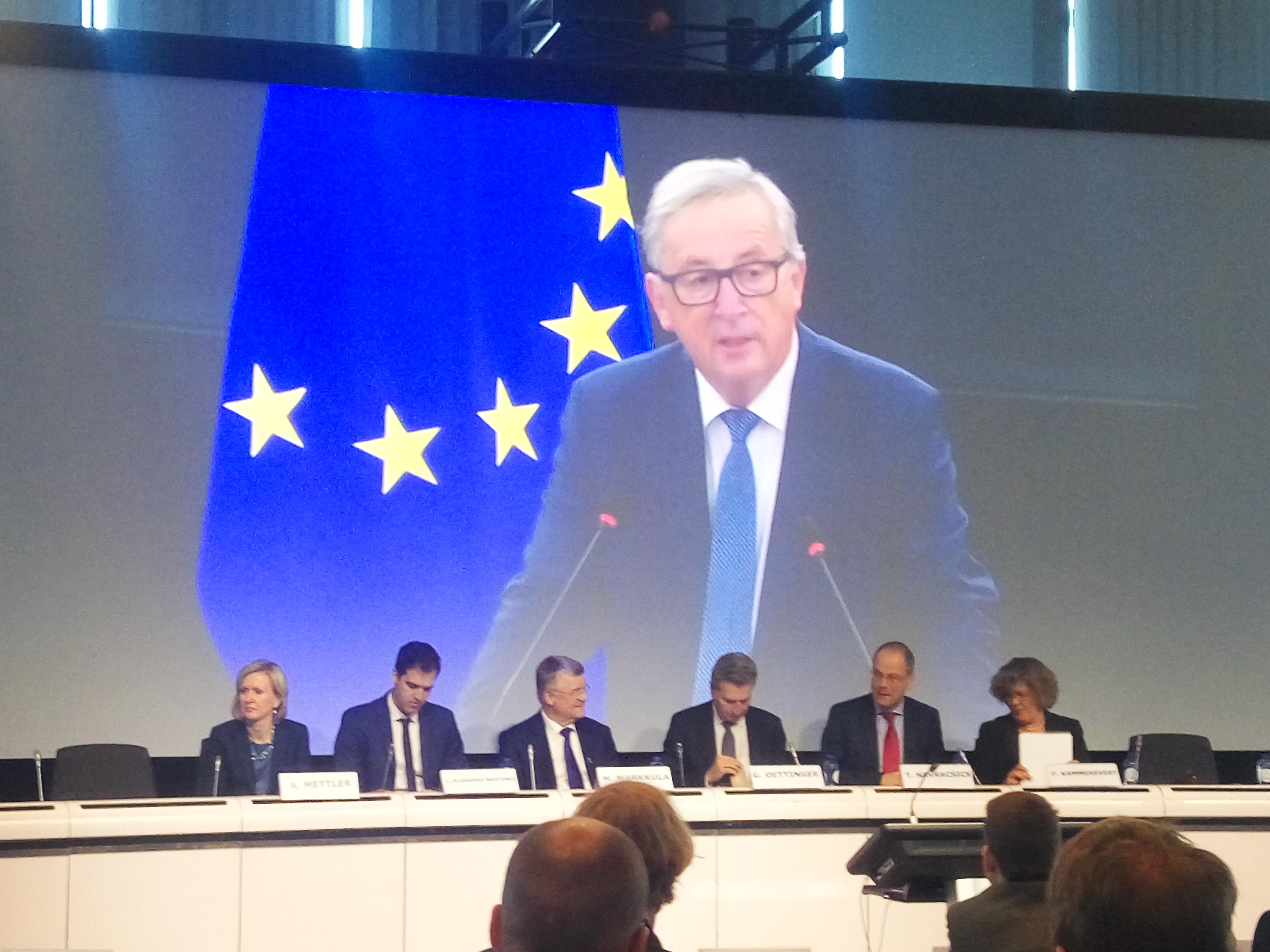
The European Solidarity Corps bring together two complementary strands: volunteering and occupational activities. The volunteering strand offers young people the opportunity to carry out full-time voluntary service.
The occupational strand will provide young people with the opportunity of a job, traineeship or apprenticeship in a wide range of sectors which are engaged in solidarity-related activities.
Invitees shared a lot of relevant information with more than 700 organisations, and participants, who are interested in volunteering. While in 2017 the projects of the European Solidarity Corps will be financed within existing financial frameworks and programs, from 2018 the program will have separated budge and more likely separated program or sector.
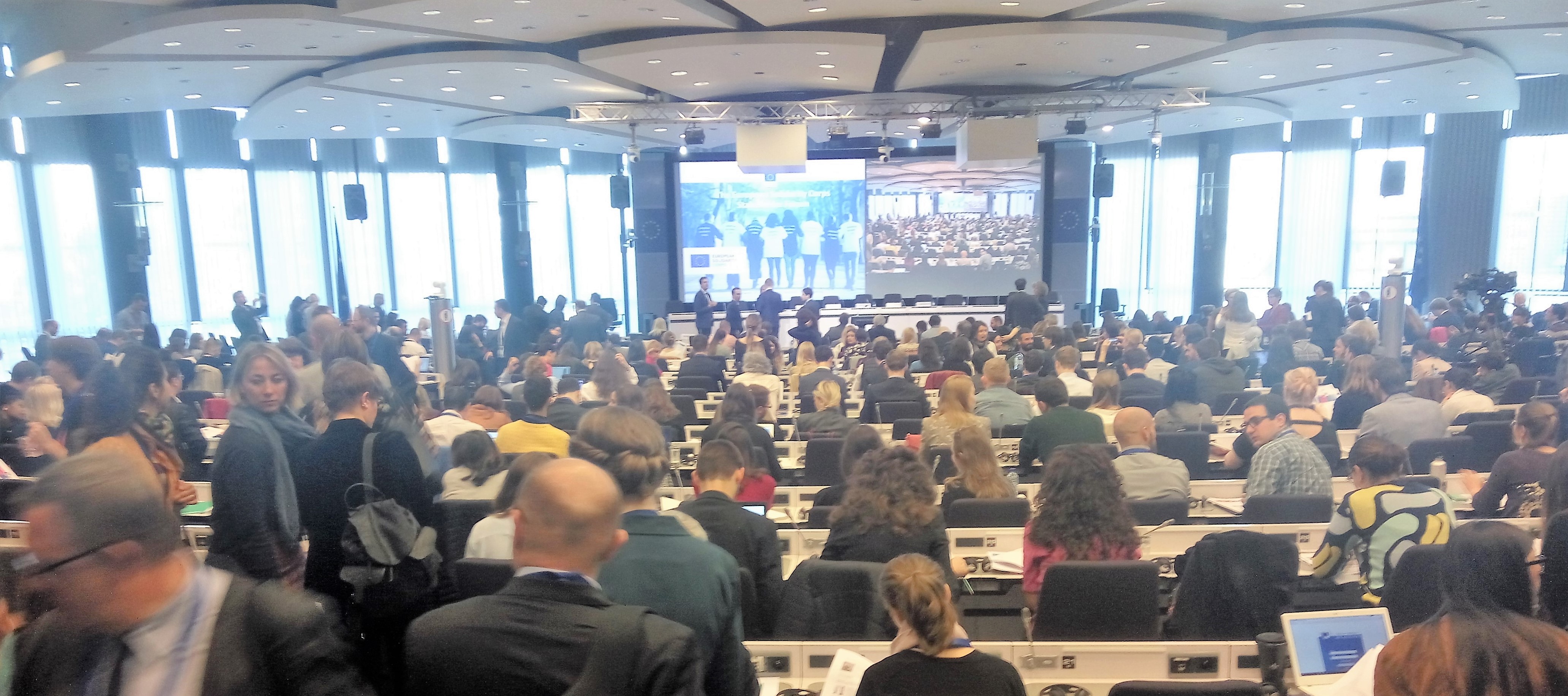
The hotly debated topics were the separation of the European Solidarity Corps from European Voluntary Service, who can join as an activity provider, and how can the Corps be operative and able to help in urgent situations or rebuild after natural disasters.